
— How One Man Invented the Voluntary Peaceful Transfer of Power. And What His Method Teaches Us.
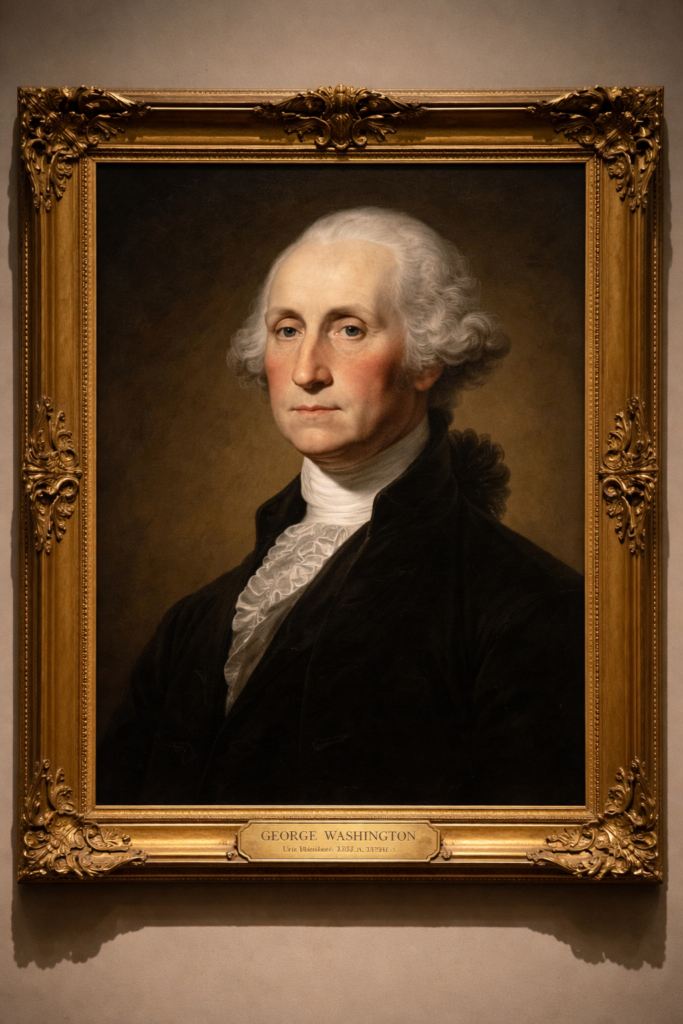
Figure 1. Portrait of George Washington
1. The Man Who Walked Away
He could have been king.
The man who led the Continental Army through eight years of war, who presided over the Constitutional Convention, who was unanimously elected president — twice — could have held power until his death. No law prevented it. No army could have stopped him. The nation would have followed.
He walked away instead.
In 1796, George Washington made a decision that had no precedent in human history. He chose to leave the presidency after two terms. He chose to return to Mount Vernon as a private citizen. He chose to give up power when he could have kept it forever.
The Scriptures speak to such choices. In Proverbs, we read: “A good name is to be chosen rather than great riches, and favor is better than silver or gold” (Proverbs 22:1). Washington understood that his good name — his reputation for integrity — was worth more than the power he held. He chose to preserve that name by surrendering that power.
This act — quiet, deliberate, voluntary — was one of the most consequential innovations in the history of governance. It created something that had never existed before: the peaceful transfer of power in a modern republic. It established a norm that would shape American democracy for 144 years before it was ever written into law.
But how did Washington do it? What enabled him to act in a way no leader had ever acted before? What method can we discern in his decision?
These questions matter because Washington’s act was not merely personal. It was methodical. He approached the problem of leadership transition with a clarity of purpose that we can understand and learn from.
Let us examine Washington’s righteous innovation — not as a distant historical event, but as a method we can see in action.
2. He Created Something New
Washington’s first act of righteous innovation was to create something that did not exist before.
When Washington became president, no office like it had ever existed. The Constitution was vague. It did not say how long a president should serve. It did not say how power should be transferred. Washington was writing the script as he went.
Every previous leader in history, when founding a new government, had become a monarch. They ruled for life. They built dynasties. This was the expected pattern. Alexander Hamilton, his closest adviser, urged him to stay. The nation expected him to remain. History offered no alternative.
Washington rejected all of it.
He served two terms and walked away. In doing so, he created something that had never existed before: the norm of voluntary leadership transition in a modern republic. No law required this. No force compelled it. He invented it.
The Method:
What Washington did here is what scholars call institutional entrepreneurship — the act of creating new institutions, norms, or practices that did not previously exist.¹ Institutional entrepreneurs do not merely follow existing rules. They create new rules that others then follow. They act where no structure exists, and they leave behind something that outlasts them.
Washington was the purest form of institutional entrepreneur. He did not reform an existing institution. He created a new one from nothing. He looked at the presidency and saw not what it was, but what it could become. He imagined an office defined not by the power it held but by the limits it accepted. He imagined a leader who would leave.
The Apostle Paul spoke of this kind of creative vision when he wrote: “Do not be conformed to this world, but be transformed by the renewal of your mind” (Romans 12:2). Washington refused to be conformed to the pattern of history — the pattern of kings and lifelong rule. He renewed his mind to envision something different.
And then he made that imagination real.
What This Reveals About Washington:
Washington understood that the republic could not survive if it simply replaced a king with a president who acted like a king. He understood that the health of the institution required the leader to be temporary. He understood that he was not creating a precedent for himself alone — he was creating a pattern that would bind every president who came after him.
This was not humility. It was wisdom. Washington knew that the greatest gift he could give the nation was not his continued service, but his voluntary departure. As Ecclesiastes teaches, “For everything there is a season, and a time for every matter under heaven” (Ecclesiastes 3:1). Washington discerned that his season of leadership had come to its appointed end.
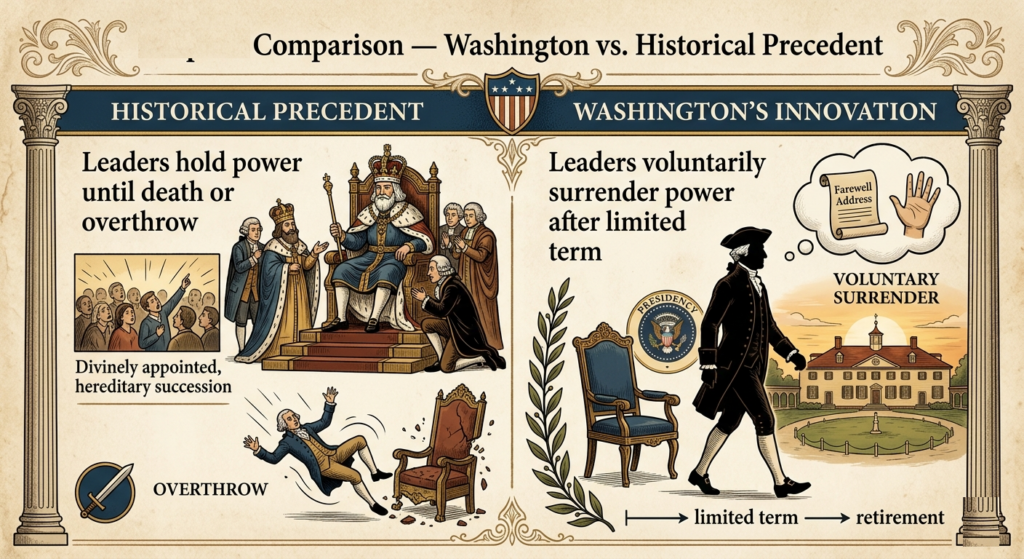
Figure 2. Washington’s Political and Righteous Innovation
3. He Rejected What History Expected
Washington’s second act of righteous innovation was to reject the most powerful constraint of all: the weight of history.
Every precedent in human history told Washington that leaders hold power until they die or are removed. The European model of monarchy, which he knew intimately, assumed that leadership was a lifetime commitment. His own officers had offered to make him king after the Revolution. His political allies expected him to serve as long as he was able.
No law required him to leave. The Constitution imposed no term limits. Washington was not constrained by any external force. The constraint he rejected was the expectation of history itself.
He rejected the assumption that power, once held, must be held forever. He rejected the idea that a leader’s departure would bring chaos. He rejected the model of leadership inherited from every previous civilization. He stood against the weight of all human history — and chose something new.
The Method:
What Washington did here is what philosophers call moral imagination — the ability to envision a better future beyond current constraints.² Most people see the world as it is. Those with moral imagination see what it could become.
Washington looked at the presidency and saw a future that no one else could see. He saw that the peaceful transfer of power could become routine. He saw that a leader who left voluntarily would strengthen the republic more than a leader who stayed. He saw that the health of the nation depended on the president being temporary.
The prophet Isaiah spoke of this kind of vision: “Behold, I am doing a new thing; now it springs forth, do you not perceive it?” (Isaiah 43:19). Washington perceived the new thing that God was doing through the American experiment. He saw that the old patterns of monarchy and lifelong rule were passing away. He chose to walk in the new path.
This was not obvious in 1796. The world had never seen such a thing. European monarchies laughed at the American experiment. They assumed Washington would rule until death, like every other leader in history.
But Washington saw something else. He imagined a future in which no leader was indispensable. He imagined a republic that could survive without him. And then he acted to make that future real.
What This Reveals About Washington:
Washington’s greatness lay not only in what he did, but in what he could see. He had the moral imagination to perceive a path that no one else could see. He understood that the true test of the American experiment was not whether it could produce a great leader, but whether it could survive that leader’s departure.
He passed that test before it was even given. As Jesus taught, “Whoever wishes to be great among you must be your servant” (Matthew 20:26). Washington understood that true greatness was not in holding power, but in serving the republic by surrendering it.
4. He Risked Everything
Washington’s third act of righteous innovation was to risk what no leader had ever risked voluntarily.
He risked his legacy. He had spent his life building a reputation as the indispensable man — the one person without whom the American experiment might fail. What if the republic collapsed after he left? What if his departure was seen as abandonment? What if history judged him as the man who could have held the nation together and chose not to?
He risked the stability of the young republic. The nation was fragile in 1796. The Federalists and Democratic-Republicans were already at war with each other. European powers were watching, waiting for the American experiment to fail. Washington knew that his departure created uncertainty. He stayed an extra four years — his second term — precisely because he feared leaving too soon would doom the experiment. When he finally left, he did so knowing the risk.
He risked his own desire for rest. Washington longed for Mount Vernon. He wanted to retire after one term but felt duty-bound to stay and unite the factions. His second term was a burden he bore for the nation, not a prize he seized for himself.
And finally, he risked the unknown. No one had ever done what he was about to do. There was no script. There was no precedent. He was walking into uncharted territory, and he knew it.
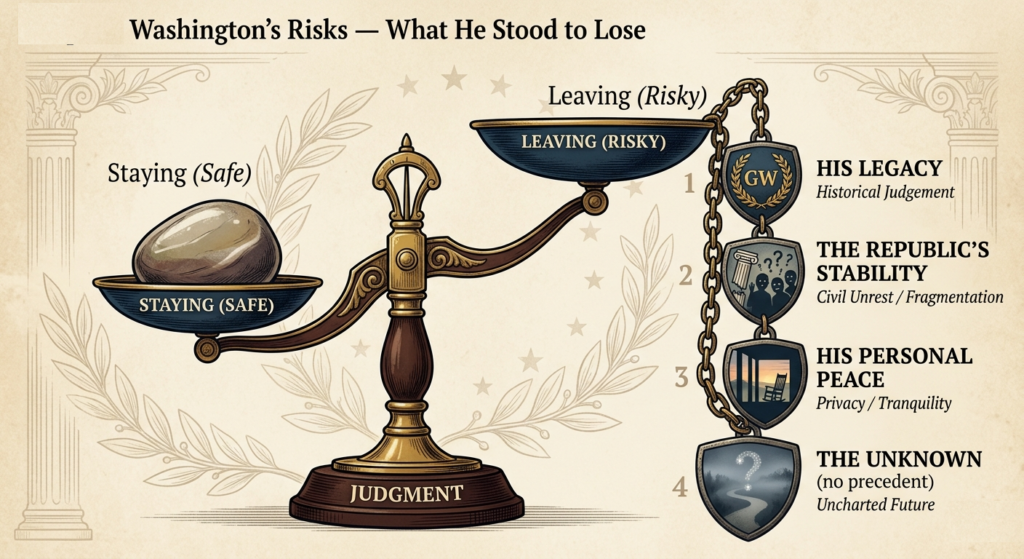
Figure 3. The Evaluation Between Safety and Risk
The Method:
What Washington did here is what political theorists call principled agency — acting on principle when principle and self-interest conflict.³ The principled agent does not calculate what is safe or advantageous. They calculate what is right — and then they act, regardless of cost.
Washington had every reason to stay. Staying would have been safe. Staying would have been expected. Staying would have secured his legacy as the indispensable man.
But Washington had a principle: the republic must be greater than any man. He had fought a war against monarchy. He would not become a monarch himself. When principle and self-interest conflicted, he chose principle. He walked away.
The Scriptures speak directly to such choices. The book of Esther tells of Mordecai, who “did not bow down or pay homage” to the king’s command when it violated his conscience (Esther 3:2). Daniel faced the lion’s den rather than compromise his principles (Daniel 6). And Jesus himself, “though he was in the form of God, did not count equality with God a thing to be grasped, but emptied himself” (Philippians 2:6-7). Washington, in his own way, emptied himself of power.
What This Reveals About Washington:
Washington’s decision to leave was not easy. It was not natural. It was not what anyone expected. It was a choice — a hard choice, made at great personal cost.
This is what makes his act righteous. He did not do what was easy. He did not do what was safe. He did not do what was expected. He did what was right, knowing it would cost him. As Micah declared, “He has told you, O man, what is good; and what does the Lord require of you but to do justice, and to love kindness, and to walk humbly with your God?” (Micah 6:8). Washington walked humbly when he could have walked proudly.
5. He Set a Precedent That Outlasted Him
Washington’s fourth act of righteous innovation was to create a precedent that would shape American democracy for generations.
He did not amend the Constitution. He did not ask Congress to pass a law. He simply acted. And his act became the standard.
For 144 years, every president who followed him — John Adams, Thomas Jefferson, James Madison, James Monroe, Andrew Jackson, Abraham Lincoln, Theodore Roosevelt, and all the rest through Franklin D. Roosevelt — honored the two-term limit Washington had established.⁴ It became unwritten law, embedded in the culture of the presidency. It was violated only once, and the violation was so deeply felt that it produced the 22nd Amendment, codifying Washington’s precedent into the Constitution.
But the precedent was larger than term limits. Washington established the principle of the peaceful transfer of power — the idea that American leaders would leave office when their time was done, without coup, without crisis, without violence.
That principle became America’s greatest gift to democratic governance. It is the foundation upon which every peaceful transition in American history has rested. And it began with one man’s decision to walk away.
The Method:
What Washington did here is what legal theorists call precedent creation — establishing an example that future actors follow because it becomes the expected way of doing things.⁵ Precedents can be more powerful than laws because they operate through culture, not coercion. They create stability without enforcement.
Washington understood this. He knew that his act would carry more weight if it was freely chosen. He gave the nation a gift it could not have demanded — and because it was a gift, it was cherished.
The Psalmist wrote of the righteous man: “He is like a tree planted by streams of water that yields its fruit in its season, and its leaf does not wither. In all that he does, he prospers” (Psalm 1:3). Washington planted a tree — the norm of peaceful transition — that would bear fruit for generations long after he was gone.
What This Reveals About Washington:
Washington did not live to see the 22nd Amendment. He did not live to see every president follow his example. But he acted as if the future mattered. He acted as if his choice would echo through generations.
This is the final lesson Washington teaches us: righteous innovation outlasts the innovator. The person who creates something new does not need to be there to see it flourish. They plant seeds that grow long after they are gone. As the Apostle Paul wrote, “I planted, Apollos watered, but God gave the growth” (1 Corinthians 3:6). Washington planted. God gave the growth.
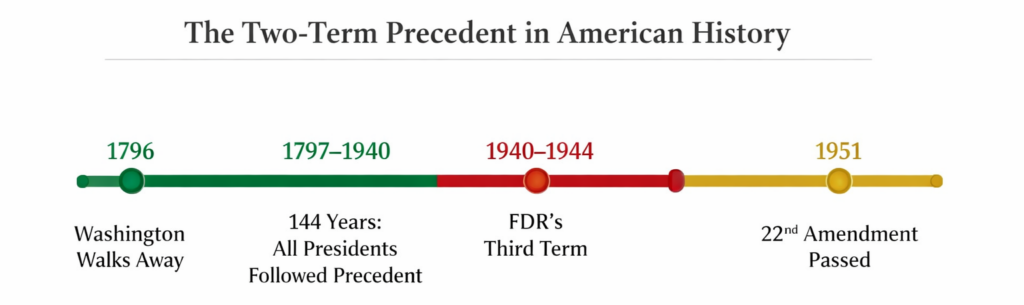
Figure 4. The 2 Term Precedent in USA History
6. What Washington’s Method Teaches Us
We have examined Washington’s righteous innovation through four acts:
Table 1. Righteous Acts, Decisions, or Events of George Washington
| Act | What He Did |
|---|---|
| He created something new | He invented the two-term precedent and the norm of voluntary leadership transition |
| He rejected history | He defied the expectation that leaders hold power for life |
| He risked everything | He sacrificed legacy, stability, and peace for principle |
| He set a precedent | He established a pattern that shaped American democracy for 144 years |
These four acts reveal a method. Washington did not stumble into greatness. He acted with intention, clarity, and purpose.
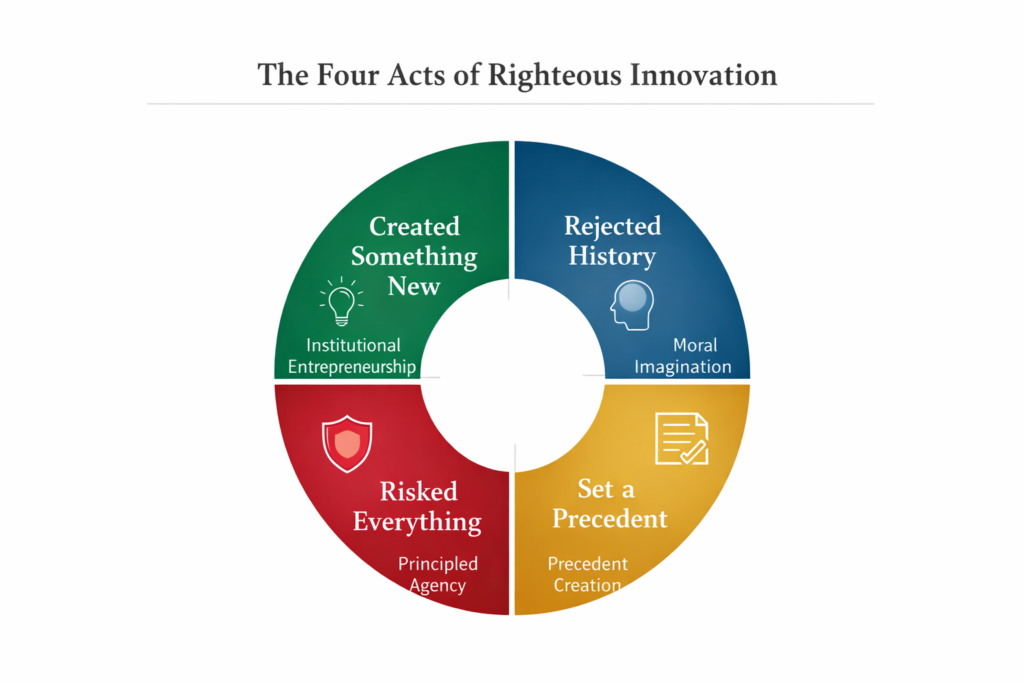
Figure 5. The Righteous Innovation’s Four Acts
The Method of Righteous Innovation
From Washington’s example, we can discern a method:
- Create what does not exist. Look at the structures around you. Where is there a gap? Where is something needed that no one has yet built? Righteous innovation begins with creation.
- Reject what history expects. The weight of tradition is powerful. Most people follow it. The righteous innovator asks: is this the way it must be? Often, the answer is no.
- Risk what matters. Righteous innovation is not safe. It costs something. If it costs nothing, it is not innovation — it is convenience. Be prepared to pay.
- Set a precedent that outlasts you. The goal is not personal glory. The goal is to create something that continues after you are gone. Act for the future.
The book of Hebrews commends those who lived by such faith: “And what more shall I say? For time would fail me to tell of Gideon, Barak, Samson, Jephthah, of David and Samuel and the prophets — who through faith conquered kingdoms, enforced justice, obtained promises, stopped the mouths of lions” (Hebrews 11:32-33). Washington belongs in this company — not as a prophet or apostle, but as a man who through faith in the American experiment did what no leader had done before.
What This Means for Us
Washington’s act was singular. He was a man of unique circumstance, unique authority, unique reputation. Not everyone can do what he did.
But the method he used is not reserved for presidents. It can be applied wherever someone sees a gap between what is and what ought to be.
- In an organization, a leader can create a new norm of transparency, reject the expectation of secrecy, risk their position, and set a precedent for accountability.
- In a community, a citizen can create a new practice of mutual aid, reject the assumption that government must solve every problem, risk their time and resources, and set a precedent for neighborly responsibility.
- In a profession, a practitioner can create a new standard of integrity, reject the shortcuts others take, risk their career, and set a precedent for excellence.
Washington’s method is transferable because it is not about power — it is about principle. As the prophet Zechariah declared, “Not by might, nor by power, but by my Spirit, says the Lord of hosts” (Zechariah 4:6). Washington’s might was in his character. His power was in his willingness to surrender it.
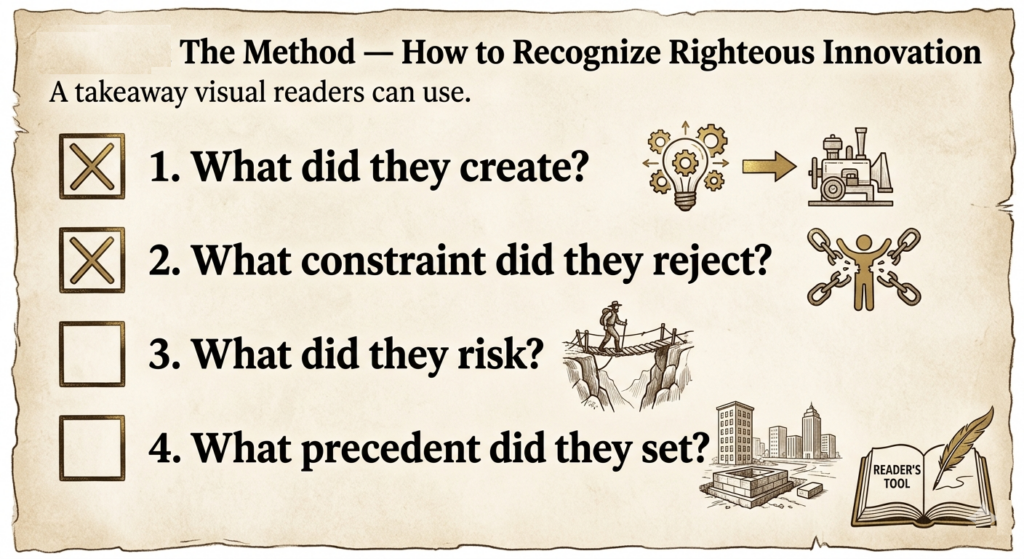
Figure 6. A Checklist for Recognizing Righteous Innovation
7. Righteousness Scorecard
The following Table 2 and Figure 7 illustrate George Washington’s scores across three key dimensions of righteousness. He earns top marks in moral courage, societal impact, and innovation—a reflection of his voluntary relinquishment of power, his enduring influence on democratic systems, and his creation of the peaceful transfer of power, an unprecedented act that reshaped political leadership worldwide. These scores represent an overall evaluation conducted by the AI and the editors of The Righteousness Digest.
Table 2. Righteousness Scorecard for George Washington
| Factor | Score (0–10) | Rationale |
|---|---|---|
| Moral Courage | 10 | Willingly relinquished power and rejected monarchy despite strong public support to remain in control. |
| Societal Impact | 10 | Established foundational democratic norms that shaped the United States and influenced global political systems. |
| Innovation / Uniqueness | 10 | Pioneered the voluntary peaceful transfer of power — a historically unprecedented act for a victorious leader. |
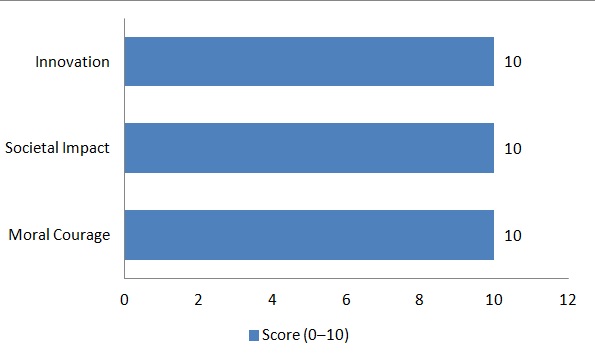
Figure 7. Performance Scorecard Data Visualization
8. Closing — The Man Who Walked Away
George Washington gave America something it did not know to ask for: a leader who would leave.
He created something new where nothing existed before. He rejected the weight of history. He risked his legacy, his nation’s stability, and his own peace. And he set a precedent that shaped American democracy for centuries.
Because he walked away, the presidency became something it had never been before — an office defined by limits, not by the man who held it.
Because he walked away, the peaceful transfer of power became America’s signature gift to democratic governance.
Because he walked away, every president who followed understood that they were temporary.
Washington’s act was righteous innovation at its purest. It was voluntary. It was costly. It was creative. And it was done not for himself, but for the republic he had helped to found.
He walked away. And in walking away, he built something that would outlast him.
The Scriptures offer a fitting epitaph for such a life: “I have fought the good fight, I have finished the race, I have kept the faith. Henceforth there is laid up for me the crown of righteousness” (2 Timothy 4:7-8). Washington fought the good fight for liberty. He finished his race as president. He kept faith with the republic. And he received, not a crown of gold, but a crown of righteousness — the enduring honor of having done what was right when he could have done what was easy.
A Final Question
Washington’s act raises a question we will explore in future issues of Righteous Digest: who else has done the same?
Where have others created something new, rejected constraints, risked what mattered, and set precedents that outlasted them?
We will examine those cases in the issues to come. But for now, let us sit with Washington’s example. Let us understand his method. And let us ask ourselves: where might we do the same?
He could have been king. He chose to be a citizen instead. That choice — that act of righteous innovation — is the foundation of everything that followed.
References
¹ On institutional entrepreneurship, see: DiMaggio, P. J. (1988). “Interest and Agency in Institutional Theory.” In L. G. Zucker (Ed.), Institutional Patterns and Organizations. Cambridge, MA: Ballinger Publishing, pp. 3-22; Battilana, J., Leca, B., & Boxenbaum, E. (2009). “How Actors Change Institutions: Towards a Theory of Institutional Entrepreneurship.” The Academy of Management Annals, 3(1), 65-107.
² On moral imagination, see: Johnson, M. (1993). Moral Imagination: Implications of Cognitive Science for Ethics. Chicago: University of Chicago Press; Werhane, P. H. (1999). Moral Imagination and Management Decision-Making. New York: Oxford University Press.
³ On principled agency, see: Kane, J., & Patapan, H. (2012). The Democratic Leader: How Democracy Defends, Guides and Undermines Leadership. Oxford: Oxford University Press; Elster, J. (2007). Explaining Social Behavior: More Nuts and Bolts for the Social Sciences. Cambridge: Cambridge University Press.
⁴ On Washington’s two-term precedent, see: Chernow, R. (2010). Washington: A Life. New York: Penguin Press; Ellis, J. J. (2004). His Excellency: George Washington. New York: Alfred A. Knopf; Flexner, J. T. (1974). Washington: The Indispensable Man. Boston: Little, Brown and Company.
⁵ On precedent creation, see: Gerhardt, M. J. (2008). The Power of Precedent. New York: Oxford University Press; Schauer, F. (1991). Playing by the Rules: A Philosophical Examination of Rule-Based Decision-Making in Law and in Life. Oxford: Clarendon Press.
For Further Reading
Chernow, R. (2010). Washington: A Life. New York: Penguin Press.
Ellis, J. J. (2004). His Excellency: George Washington. New York: Alfred A. Knopf.
Flexner, J. T. (1974). Washington: The Indispensable Man. Boston: Little, Brown and Company.
Washington, G. (1796). “Farewell Address.” American Daily Advertiser, September 19, 1796.
Wood, G. S. (2009). Empire of Liberty: A History of the Early Republic, 1789-1815. Oxford: Oxford University Press.